
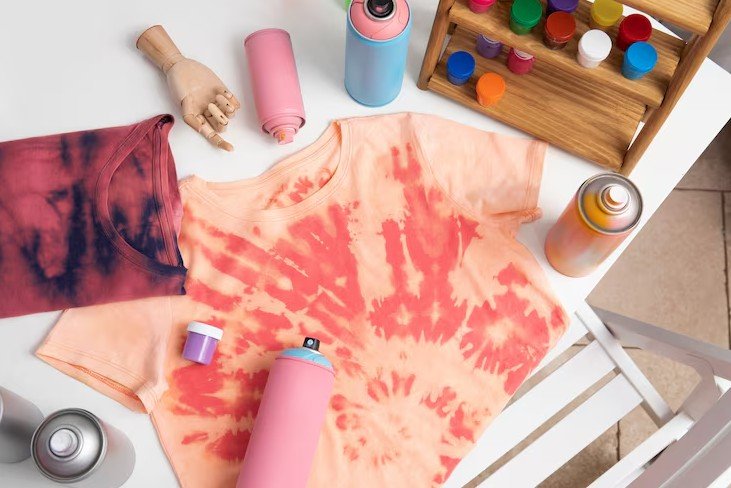
Customized Garments: A Perfect Blend of Style and Individuality
Introduction to Customized Garments
Customized garments have become a cornerstone of modern fashion, offering individuals the freedom to express their unique style while ensuring a perfect fit. In a world where mass production often sacrifices individuality, customization stands as a refreshing alternative. Whether it’s a tailored suit, a personalized hoodie, or a bespoke wedding gown, customized clothing is reshaping the way we view and wear fashion.
The rise in demand for customized garments is not just a trend; it’s a reflection of a cultural shift toward individuality and sustainability. People no longer want to blend in—they want their clothing to tell their story. Let’s dive deeper into the world of customized garments and explore why they are making waves in the fashion industry.
The Evolution of Customized Clothing
Fashion has always been a reflection of societal changes. In the past, clothing was often custom made by tailors or home sewn, catering specifically to the wearer. However, the industrial revolution introduced mass production, making clothing more affordable but less personal.
Fast forward to today, advancements in technology and changing consumer preferences have brought customization back into the spotlight. Now, individuals can enjoy the best of both worlds: the convenience of modern production techniques combined with the personalization of traditional tailoring.
Benefits of Customized Garments
Perfect Fit for Every Body Type
One of the most significant advantages of customized garments is their fit. Unlike off the rack clothing, which often adheres to standard sizes, customized pieces are tailored to the individual’s measurements. This ensures a comfortable and flattering fit, regardless of body shape or size. For many, wearing well fitted clothing is not just about aesthetics—it boosts confidence and enhances comfort.
Uniqueness and Personal Expression
Customized clothing allows wearers to express their personality and style in ways that mass produced garments cannot. Whether it’s adding a unique logo, choosing specific colors, or designing an entirely new piece, the options are endless. This level of personalization ensures that no two pieces are exactly alike, giving the wearer a sense of exclusivity.
Enhanced Quality and Durability
Custom garments often prioritize quality over quantity. Tailored pieces are typically crafted with attention to detail, using higher quality materials and techniques. This not only enhances their aesthetic appeal but also increases their lifespan, making them a worthwhile investment.
Popular Categories of Customized Clothing
Customized T Shirts and Hoodies
T shirts and hoodies are among the most popular items for customization. They are versatile, affordable, and ideal for showcasing personal designs, slogans, or logos. These garments are especially popular for events, businesses, and personal branding.
Tailored Formal Wear
From bespoke suits to custom evening gowns, tailored formal wear is a timeless choice for special occasions. Whether it’s a wedding, a gala, or a business meeting, customized formal attire ensures a polished and sophisticated look.
Sports and Team Apparel
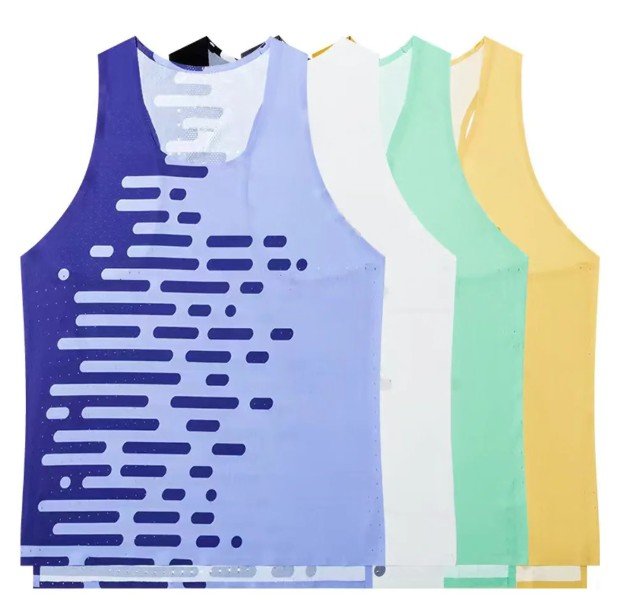
Customized jerseys and sportswear have become essential for teams and fans alike. They allow teams to represent their identity with unique designs, while fans can showcase their loyalty by wearing personalized merchandise.
The Process of Creating Customized Garments
Choosing the Right Fabric and Style
The first step in creating a custom garment is selecting the fabric and style that suit the wearer’s needs. From breathable cotton to luxurious silk, the choice of material plays a significant role in the final product’s comfort and appearance.
H3: Design Customization Options
Designing a custom piece involves selecting patterns, colors, and embellishments. Many providers offer online tools or in person consultations to help customers visualize their designs.
Production and Delivery Timelines
Once the design is finalized, the garment enters the production phase. Depending on the complexity, this can take anywhere from a few days to several weeks. Clear communication with the provider ensures timely delivery and satisfaction.
The Role of Technology in Custom Clothing
Use of 3D Printing and Digital Design
Technology has revolutionized the custom garment industry. 3D printing allows designers to create intricate patterns and textures, while digital tools enable precise measurements and design previews.
AI and Virtual Fitting Rooms
AI powered tools and virtual fitting rooms have made customization more accessible. Customers can now visualize how a garment will look and fit before placing an order, reducing the chances of dissatisfaction.
Environmental Benefits of Customized Clothing
Customized garments contribute to sustainability by reducing waste. Unlike mass production, which often leads to overstock and discarded inventory, custom clothing is made to order. This minimizes excess production and promotes mindful consumption. Additionally, the emphasis on quality means these garments last longer, further reducing their environmental impact.
Challenges in the Custom Garment Industry
Cost Considerations
While customized garments offer numerous benefits, they can be more expensive than off the rack options. This higher cost is often justified by the superior quality and personalized experience, but it can be a barrier for some consumers.
Production Scalability
Scaling up production while maintaining the quality and uniqueness of custom garments is a challenge for businesses. As demand grows, finding a balance between personalization and efficiency becomes crucial.
Tips for Ordering Customized Garments
Researching Reliable Providers
Choosing the right provider is essential for a successful customization experience. Look for reviews, portfolios, and testimonials to ensure quality and reliability.
Understanding Pricing and Options
It’s important to have a clear understanding of the pricing structure and available options. Many providers offer tiered pricing based on the complexity of the design and materials used.
Ensuring Proper Measurements
Accurate measurements are key to a perfect fit. Whether done at home or by a professional, taking precise measurements ensures the final product meets expectations.
Future Trends in Customized Garments
The future of customized clothing is exciting, with advancements in AI, augmented reality, and on demand manufacturing. Imagine designing your outfit using a virtual reality headset or having it delivered within hours of placing an order. These innovations are set to make customization even more accessible and appealing.
Conclusion
Customized garments are more than just clothing—they are a celebration of individuality, quality, and sustainability. As technology continues to evolve, the possibilities for personalization are endless. Whether you’re looking for a unique piece to stand out or a tailored fit for ultimate comfort, customized clothing offers something for everyone.
FAQs
1. Are customized garments worth the investment?
Absolutely! While they may cost more upfront, their quality, fit, and uniqueness make them a valuable addition to any wardrobe.
2. How long does it take to create a custom garment?
The timeline varies based on the complexity of the design and the provider, but it typically ranges from a few days to several weeks.
3. Can I customize garments for special occasions?
Yes! Customized clothing is perfect for weddings, parties, and corporate events, offering a personalized touch to your attire.
4. What fabrics are best for customization?
The best fabric depends on the purpose of the garment. Cotton is great for casual wear, while silk and wool are ideal for formal attire.
5. How do I ensure the perfect fit for my custom garment?
Provide accurate measurements and consult with the provider to ensure the garment is tailored to your specifications.